
Embrace movement as your natural ally in controlling blood sugar. Discover how everyday walking transforms diabetes care through simple sustainable habits.
Begin Today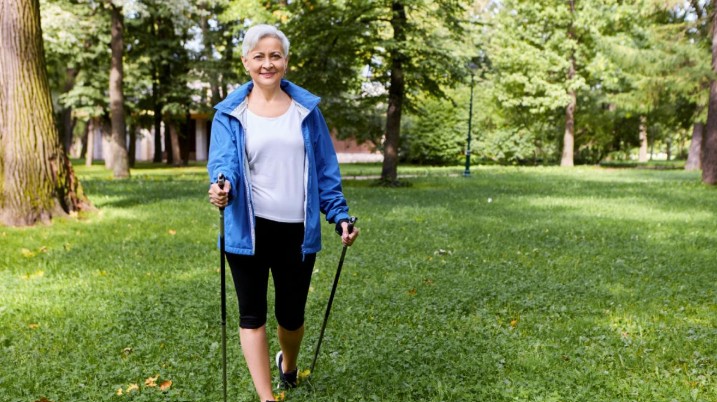
Every step you take activates a natural glucose-lowering mechanism in your body. When muscles work, they pull sugar from your blood for immediate fuel. This simple biological process provides powerful diabetes management benefits without requiring special skills or expensive equipment.
The accessibility makes this approach particularly valuable. Whether you walk around your home, through your neighborhood, or in a local park, your muscles respond the same way. Consistency matters far more than location or walking speed when building effective habits.
Recommended walking duration for optimal blood sugar control and cardiovascular health benefits
Minutes after eating when walking provides maximum glucose-lowering effectiveness
Minimum frequency recommended for maintaining consistent benefits and building habits
Typical reduction in post-meal glucose spikes with consistent walking routines
Walking muscles consume glucose directly for energy needs. This immediate effect reduces circulating blood sugar naturally without complicated interventions or requiring medication changes in most situations.
Regular movement makes your cells increasingly responsive to insulin over time. Improved sensitivity means better glucose processing with less insulin requirement, reducing strain on your system.
Consistent walking burns calories and reduces fat storage gradually. Lower body weight directly correlates with easier glucose management and reduced diabetes complications over time.
Regular walking strengthens cardiac muscle and improves overall circulation. Better cardiovascular fitness protects against diabetes-related heart complications while supporting general wellness.
Physical activity helps maintain healthy blood pressure naturally. Managing both glucose and blood pressure simultaneously addresses two critical health factors for people with diabetes.
Walking provides stress relief and improves mood through natural endorphin release. Better mental health supports consistent diabetes management behaviors and overall quality of life.
Start where you are right now, not where you think you should be. If five minutes feels manageable, begin there. Add time gradually as walking becomes more comfortable and automatic. Rushed progression often leads to burnout or injury that derails progress completely.
Choose enjoyable routes and comfortable times that fit your daily schedule naturally. Walking becomes sustainable when it feels like a pleasant break rather than another chore. Many people find that pairing walks with existing routines - like after meals - creates automatic triggers that support consistency.
Work with your healthcare provider to coordinate activity with your overall treatment plan. They can help you understand how walking affects your specific medications and provide guidance on safe progression based on your complete health picture.
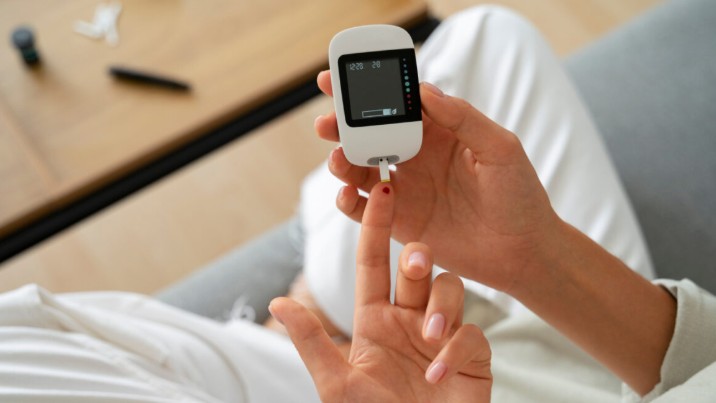
Check blood sugar before and after walking sessions, especially when establishing new routines. Understanding your patterns prevents unexpected low glucose events and helps optimize timing.
Drink water before, during, and after activity. Proper hydration affects blood sugar readings and overall performance. Dehydration can create misleadingly high glucose measurements.
Invest in quality walking shoes with good support and cushioning. People with diabetes must protect feet carefully since reduced sensation can allow injuries to develop unnoticed.
Starting with ten-minute walks seemed almost too simple to work. Six weeks later, my fasting glucose dropped from 165 to 128, and I actually enjoy my walking time now. It's become my daily meditation.
— Rahul M., Bangalore
My doctor suggested post-meal walking and I was doubtful. After tracking for two months, my average daily glucose improved by 32 points. The evidence convinced me to make this permanent.
— Sneha P., Mumbai
Finding a walking buddy made this sustainable for me. We encourage each other through difficult days, and my health markers have steadily improved over four months of consistent effort.
— Karthik V., Chennai
I built up slowly from five to forty minutes over three months. My energy levels increased dramatically, and my medication was reduced under medical supervision. Patience truly paid off.
— Divya L., Delhi
Address:
89, Brigade Road, Bangalore 560025, Karnataka, India
Phone:
+91 80 4936 2874
Email:
hello (at) rofubuv.shop
Many people observe some positive changes within the first week of consistent walking. More substantial and stable improvements typically emerge after 3-4 weeks of regular activity. Individual responses vary based on baseline fitness, current glucose control, and overall health status.
Many effective alternatives exist including water walking, chair exercises, stationary cycling, or upper body movements. The fundamental goal is muscle activity that consumes glucose - traditional walking is just one pathway. Discuss appropriate options with your healthcare provider.
Walking at any time provides benefits, but post-meal timing offers maximum glucose control advantages. Blood sugar naturally peaks 15-60 minutes after eating, and activity during this window helps blunt that spike most effectively. Any walking beats no walking though.
Improved glucose control from consistent activity may enable medication reductions under careful medical supervision. However, never independently adjust or discontinue medications. Your healthcare provider must monitor your progress comprehensively and make treatment decisions based on complete clinical assessment.